What's wrong with the Union Jack?
The Union Jack in the corner of the flag has traditionally
been the flag of a British colony.
In fact, the United Kingdom still has 14
British Overseas Territories,
all but one of which use the Union Jack on their flag:
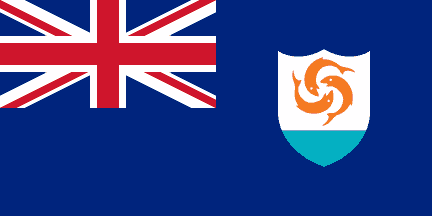 Anguilla Anguilla |
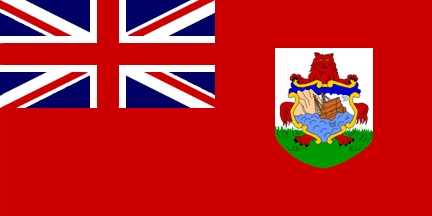 Bermuda Bermuda |
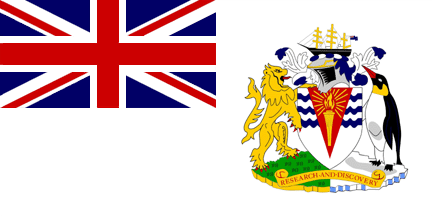 British Antarctic Territory British Antarctic Territory |
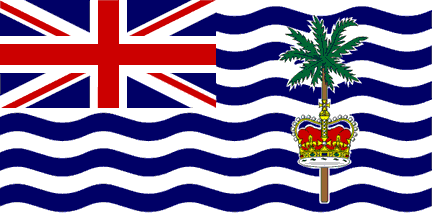 British Indian Ocean Territory British Indian Ocean Territory |
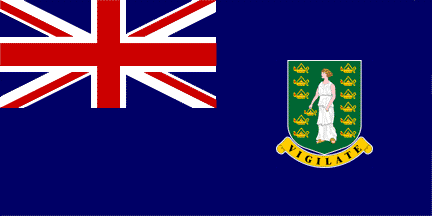 British Virgin Islands British Virgin Islands |
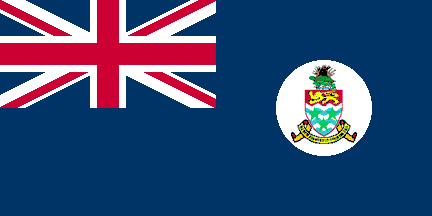 Cayman Islands Cayman Islands |
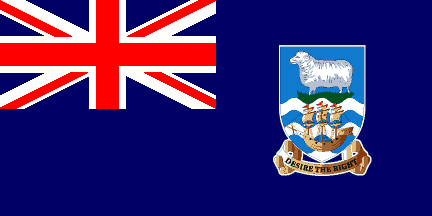 Falkland Islands Falkland Islands |
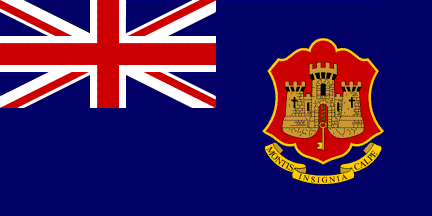 Gibraltar 1875-1982 Gibraltar 1875-1982 |
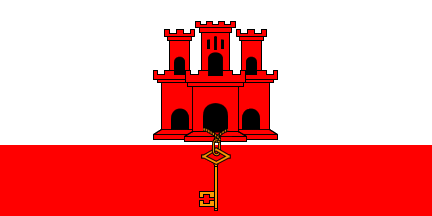 Gibraltar Gibraltar |
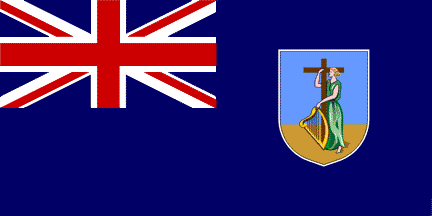 Montserrat Montserrat |
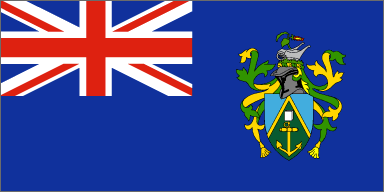 Pitcairn Pitcairn |
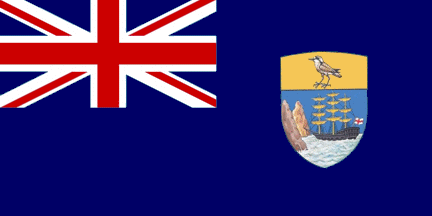 St. Helena and Dependencies St. Helena and Dependencies |
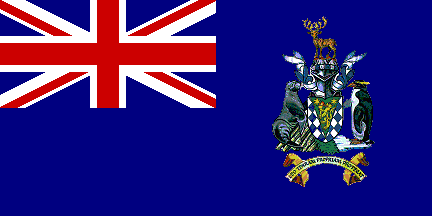 South Georgia and South Sandwich Islands South Georgia and South Sandwich Islands |
 British Sovereign Base Areas in Cyprus British Sovereign Base Areas in Cyprus |
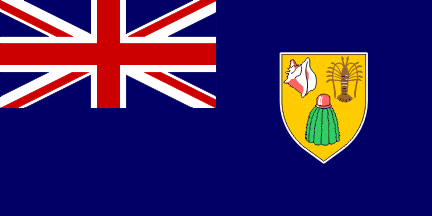 Turks and Caicos Islands Turks and Caicos Islands |
And many former British colonies used the Union Jack.
Below is a table, by no means exhaustive.
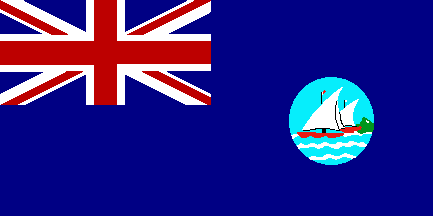 Aden Aden |
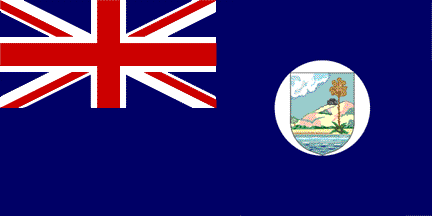 Antigua and Barbuda Antigua and Barbuda |
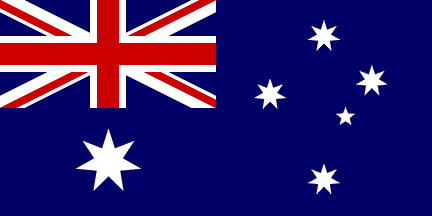 Australia Australia |
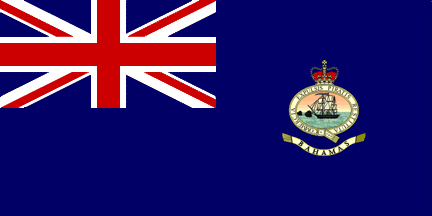 Bahamas Bahamas |
 Barbados Barbados |
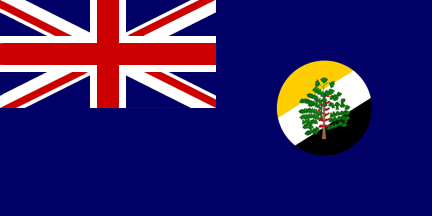 British Central Africa British Central Africa |
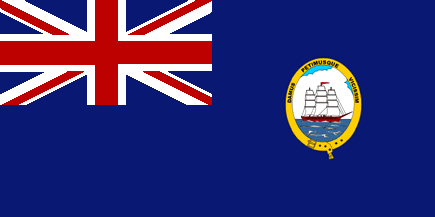 British Guyana British Guyana |
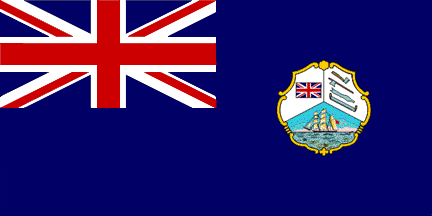 British Honduras British Honduras |
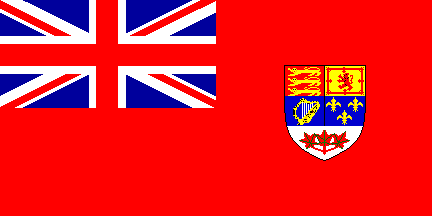 Canada Canada |
 Cyprus Cyprus |
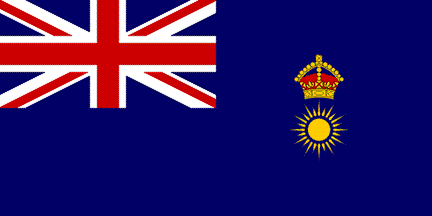 East Africa East Africa |
 Fiji Fiji |
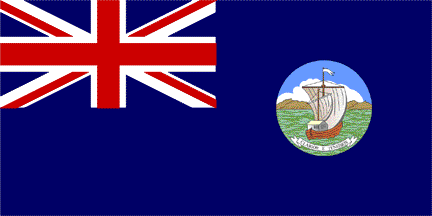 Grenada Grenada |
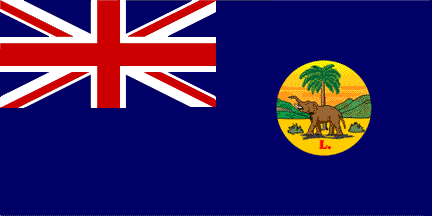 Lagos Lagos |
 Mauritius Mauritius |
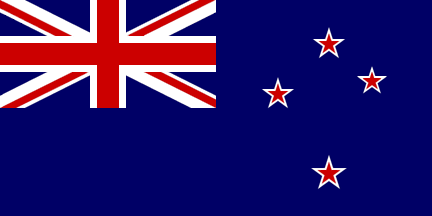 New Zealand New Zealand |
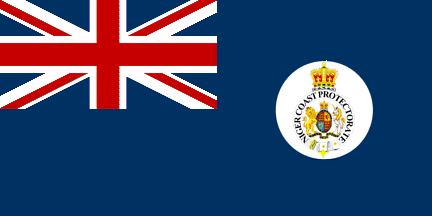 Niger Coast Niger Coast |
 Nigeria Nigeria |
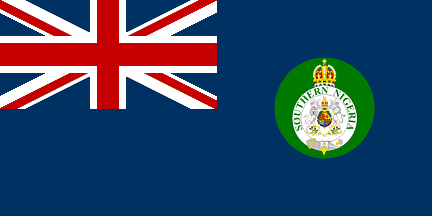 Southern Nigeria Southern Nigeria |
 North Borneo North Borneo |
 Nyasaland Nyasaland |
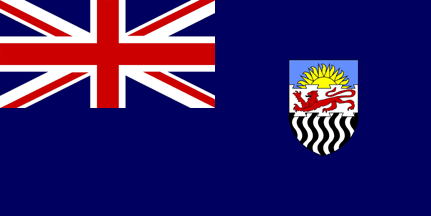 Rhodesia and Nyasaland Rhodesia and Nyasaland |
 Seychelles Seychelles |
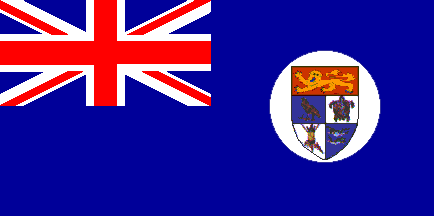 Solomon Islands Solomon Islands |
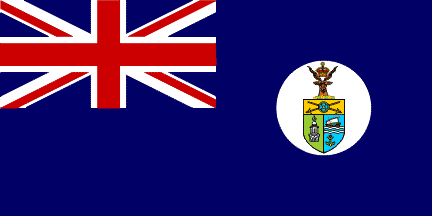 Somaliland Somaliland |
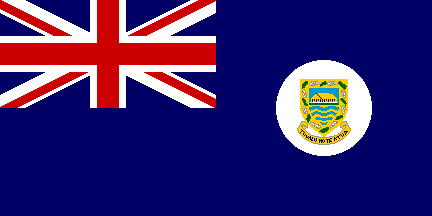 Tuvalu Tuvalu |
Do you notice a pattern here?
Now, how many of these independent former colonies still use the Union Jack?
Four:
| Australia |
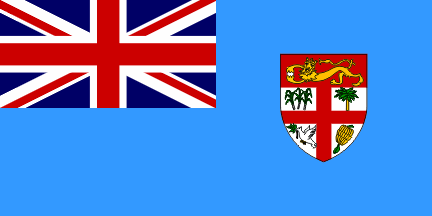 Fiji Fiji |
New Zealand |
 Tuvalu Tuvalu |
Kind of embarassing really.
Why do Fiji, New Zealand and Tuvalu keep the Union Jack on their flag?
I don't know, that's their business.
What is clear, however, is that the Union Jack
- in particular the "Blue Ensign" theme
- is the mark of a British colony.
As such, it is inappropriate for the flag of a fully independent country
like Australia.
Back to main page.